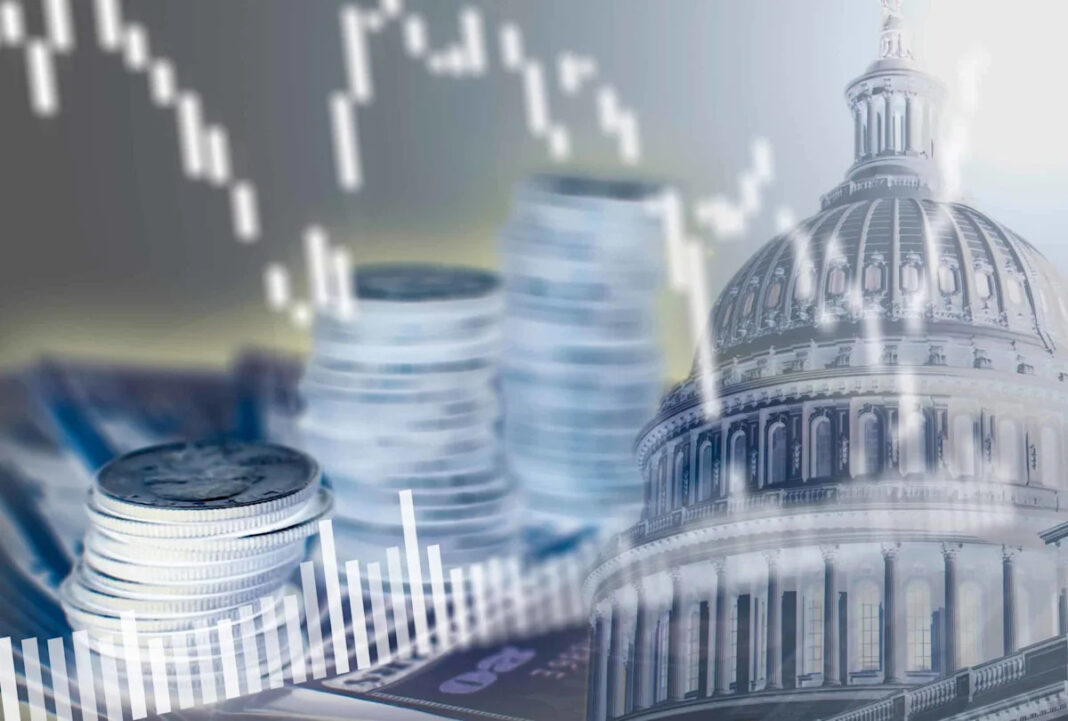
The Digital Asset Tax Certainty Act cleared the House Ways and Means Committee 38 to 5, exempting small Bitcoin transactions from capital-gains reporting.
The bill extends wash-sale rules to crypto, ending the practice of selling Bitcoin at a loss and immediately repurchasing it to offset gains.
Unlike the CLARITY Act, this bill raises Treasury revenue and carries no ethics fight, giving it the best realistic odds of passing this Congress.
The Senate’s September 15 rejection of the CLARITY Act looked like a major setback for crypto, especially after two years of lobbying and enormous industry spending on the market-structure bill. Yet just one day later, a different crypto bill quietly moved forward in the House, clearing the Ways and Means Committee by a 38-5 bipartisan vote.
The Digital Asset Tax Certainty Act does not settle the market-structure fight, but it could change how the IRS treats small digital-asset transactions and year-end tax planning. For Bitcoin holders, the bill offers a tax break in one area while taking away a strategy some investors have used to manage their tax bills.
Shuttesrtock / Gdisalvo
What the Digital Asset Tax Certainty Act Does for Crypto Holders
Shutterstock
Buy a coffee with Bitcoin (CRYPTO:BTC) today, and you technically create a capital-gains reporting obligation on the difference between what you paid for the coin and what it was worth when you spent it. That means an ordinary purchase can create a tax calculation that has little to do with the size of the transaction, especially when Bitcoin is trading at about $76,800.
Free Report, Just Released
The Top 10 Stocks To Buy Now
24/7 Wall St has helped investors make money for over two decades, and our top analysts just finished ranking the definitive Top 10 Stocks To Buy Now. Not the ten biggest companies. Not the ten everyone is arguing about. The ten best stocks to buy right now.
The report is free, and you can see why we think each stock is a top investment today.
The Digital Asset Tax Certainty Act would partially address that problem with a de minimis exemption for network or transaction fees of $10 or less, not for the purchase itself. So buying a coffee with Bitcoin would still trigger a capital-gains calculation on the coffee, but the blockchain fee tacked onto that transaction could be exempt. The exemption also would not apply to service providers processing transactions on behalf of others.
The bill also establishes tax treatment for stablecoins, lending, mining, and staking, giving investors clearer rules across several parts of the crypto market. Representative Steven Horsford pushed for the small-transaction exemption during committee consideration, while an earlier proposal to defer taxes on mining and staking income until the assets were sold was dropped from the version that advanced.
There is a catch for investors who use crypto losses to reduce their tax bills. The bill would extend the wash-sale rule to widely traded digital assets, so selling Bitcoin at a loss and buying it back almost immediately would no longer provide the same tax benefit.
For crypto holders, the bill therefore cuts both ways. It could make small Bitcoin purchases easier to handle for tax purposes, while closing a loss-harvesting strategy investors have been able to use under the existing rules.
Why This Tax Bill Has a Different Path
Velishchuk Yevhen / Shutterstock.com
The timing makes the bill particularly interesting for crypto investors because the industry spent two years and substantial sums lobbying for the CLARITY Act, only for the Senate to block it on September 15, while the Digital Asset Tax Certainty Act advanced through the House Ways and Means Committee the following day with a 38-5 bipartisan vote.
The vote does not guarantee that the bill will reach the House floor or become law, but it gives the proposal a different starting point from a broader market-structure bill. It contains no ethics provision, which became a point of contention around the CLARITY Act, and its tax provisions are designed to raise revenue for the Treasury rather than require a large new federal outlay.
Opposition to the bill remains, including from Representative Lloyd Doggett, who argued that its provisions favor the crypto industry over broader taxpayer priorities. A bipartisan committee vote therefore does not settle the debate, particularly because no full House vote has been scheduled.
A more practical route could be a larger year-end tax package rather than a standalone vote, allowing lawmakers to consider the crypto provisions alongside other tax measures, though the final shape and timing would depend on negotiations in Congress.
Will the Crypto Tax Bill Become Law?
The Digital Asset Tax Certainty Act has a clearer path forward than its headline-grabbing counterpart because it already has bipartisan committee support, raises federal revenue, and avoids the broader policy disputes that helped derail the CLARITY Act.
If it reaches a final tax package, the de minimis exemption could make small Bitcoin purchases easier while the wash-sale provision could eliminate a familiar year-end loss-harvesting strategy, making this a tax change with consequences on both sides of the Bitcoin trade.
Got $1,000? Read This Before You Buy Another Stock
If you have cash sitting in your account right now, give this two minutes. After more than two decades of helping investors beat the market, our top analysts at 24/7 Wall St. put together a definitive report on the Top 10 Stocks To Buy Today.
They combed the entire market. It’s not 10 ideas, not 10 stocks everyone is talking about, it’s what their research points to as the 10 best stocks to buy right now, and it’s free. Read more here and see which stocks made the list –>>